Skip to content
From Pumpkin Patch to Wine Country: Durbanville
How a Pumpkin Patch Became a Wine Town
Durbanville started life around a freshwater spring as a resting stop for travellers heading north from Cape Town, known simply as Pampoenkraal, Afrikaans for “pumpkin kraal”, after a pumpkin patch that grew near the local dam. In 1836 residents petitioned to rename it D’Urban, after Cape Governor Sir Benjamin D’Urban, and by 1886 that had shifted again to Durbanville, to stop it being confused with the port city of Durban on the other side of the country.
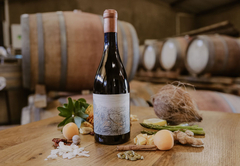
The wine farming that defines the area today goes back even further, vineyards here date to the late 1600s, with Cape Madeira among the first grapes planted. Several of those original farms are still producing wine under the modern Durbanville Wine Route.
Food and Dining
Durbanville’s food scene runs on that wine heritage. Fine dining, family restaurants, coffee shops and farm-style eateries are spread across Durbanville Central, Sonstraal Heights and the wine estates themselves:
- Durbanville Wine Farms, tastings, bistros, and scenic dining
- Village-style restaurants, casual cafes and family eateries
- Coffee shops and bakeries, good for work meetings and brunch
- Steakhouses and grill rooms, popular for evenings out
Outdoor Adventures
Durbanville Nature Reserve, Meerendal and Bloemendal Wine Estates give residents easy access to hiking, mountain biking and picnics without leaving the suburb. The Tygerberg Hills add sunset views and photography spots, and the quiet streets suit walking, jogging and cycling year-round.
| Location | Best For | Why It’s Popular |
|---|---|---|
| Durbanville Nature Reserve | Hiking & Views | Panoramic city views and well-marked trails |
| Meerendal Wine Estate | Trail Running & MTB | Popular outdoor routes and family dining |
| Bloemendal Wine Estate | Picnics & Walks | Green lawns and relaxed outdoor atmosphere |
| Tygerberg Hills | Photography & Sunset Views | Elevated viewpoints over Cape Town |
Family Friendly Activities
Durbanville regularly ranks among Cape Town’s better family suburbs, largely down to its schools, hospitals, and the sheer amount of open space nearby. Tygervalley and Willowbridge malls cover shopping, and sports clubs and nature reserves round out the picture for families and retirees alike.
Nightlife and Culture
Social life here centres on wine and community rather than late nights out, seasonal festivals, church events, live concerts and wine-tasting evenings. Bellville and the Cape Town CBD are close by for anyone after something more.
Durbanville vs Nearby Areas
| Area | Average Property Price | Lifestyle Type | Family Appeal |
|---|---|---|---|
| Durbanville | R2.8m – R6.5m | Upmarket Suburban | Very High |
| Brackenfell | R1.4m – R3.5m | Modern Family | High |
| Bellville | R1.2m – R3m | Urban Mixed-Use | Medium |
| Stellenbosch | R3.5m – R8m+ | University & Wine | High |
Village first laid out
Renamed Durbanville
Wine estates nearby
To Cape Town CBD
From Vineyard to Doorstep
Durbanville homes near the wine estates often deal with more dust and pollen through harvest season. We factor that into how we clean here.
Get a Free Cleaning QuoteThe Short Version
Durbanville has kept its farming and wine-town roots while growing into one of the northern suburbs’ most family-friendly addresses. Space, greenery and a 30-minute run to the city, with two centuries of history behind the name.
Getting to Know Durbanville
More neighbourhood guides like this one are on our blog. Browse the guides »
We clean across the Northern Suburbs, wine-estate homes included. Get in touch »